
Microsoft Cloud Library
Select a Topic to view articles on just that Topic. Select All to view the entire library.
Governing AI Agents in Microsoft Entra
AI agents are already in your tenant. They turned up in Microsoft 365 Copilot, in Copilot Studio, in Azure AI Foundry, and on laptops where someone installed a coding assistant last week. The problem was never that agents exist. The … Continue Reading
Windows Server October 2026 monthly security updates impact SCVMM environments
October 2026 security updates for Windows Server hosts have known issues that impacts SCVMM managed environments. After you install Windows Server 2025, Windows Server 2022, and Windows Server 2019 October 2026 patches, KB5126646, KB5126655, and KB5126651 respectively, Content-transfer workflows like … Continue Reading
Upgrade Azure CycleCloud Slurm Node OS Images Without Recreating the VM Scale Set
Overview Operating-system image updates in an Azure CycleCloud Slurm cluster are not the same as installing ordinary packages inside a running node. A CycleCloud Slurm node is typically an instance in an Azure Virtual Machine Scale Set (VMSS), and the … Continue Reading

Windows CLAT is Now Generally Available
As organizations move toward IPv6-only and IPv6-mostly networks, some applications still depend on IPv4-only applications or services. Windows CLAT helps those applications continue to work when a network does not provide native IPv4 connectivity. CLAT is the client-side component of … Continue Reading
Choosing the Right Azure Virtual Machine for Ansys CFX
If you are moving Ansys CFX turbomachinery simulation software to the cloud, the first question is not whether Azure can run your computational fluid dynamics (CFD) workloads, but it is which Virtual Machine (VM) delivers the best balance of performance … Continue Reading
Troubleshoot Hyper-V guarded fabrics and shielded VMs
Use this FAQ when a guarded fabric can’t be deployed, a host can’t attest, a shielded virtual machine (VM) can’t be provisioned or started, or an operation such as migration, servicing, or recovery fails. It accompanies the Microsoft Learn module: … Continue Reading
Build a Simple GPU-Enabled Kubernetes Cluster on Azure N-Series VMs
Audience: Platform engineers, ML engineers, and developers who need a small, understandable GPU development cluster without the abstraction of a managed Kubernetes service. Reference topology: RoleAzure VM sizeOperating systemPurposeControl planeStandard_D8s_v6Ubuntu 24.04 LTSAPI server, scheduler, controllers, etcdGPU workerStandard_NC24ads_A100_v4Ubuntu 24.04 LTSCUDA-enabled development … Continue Reading
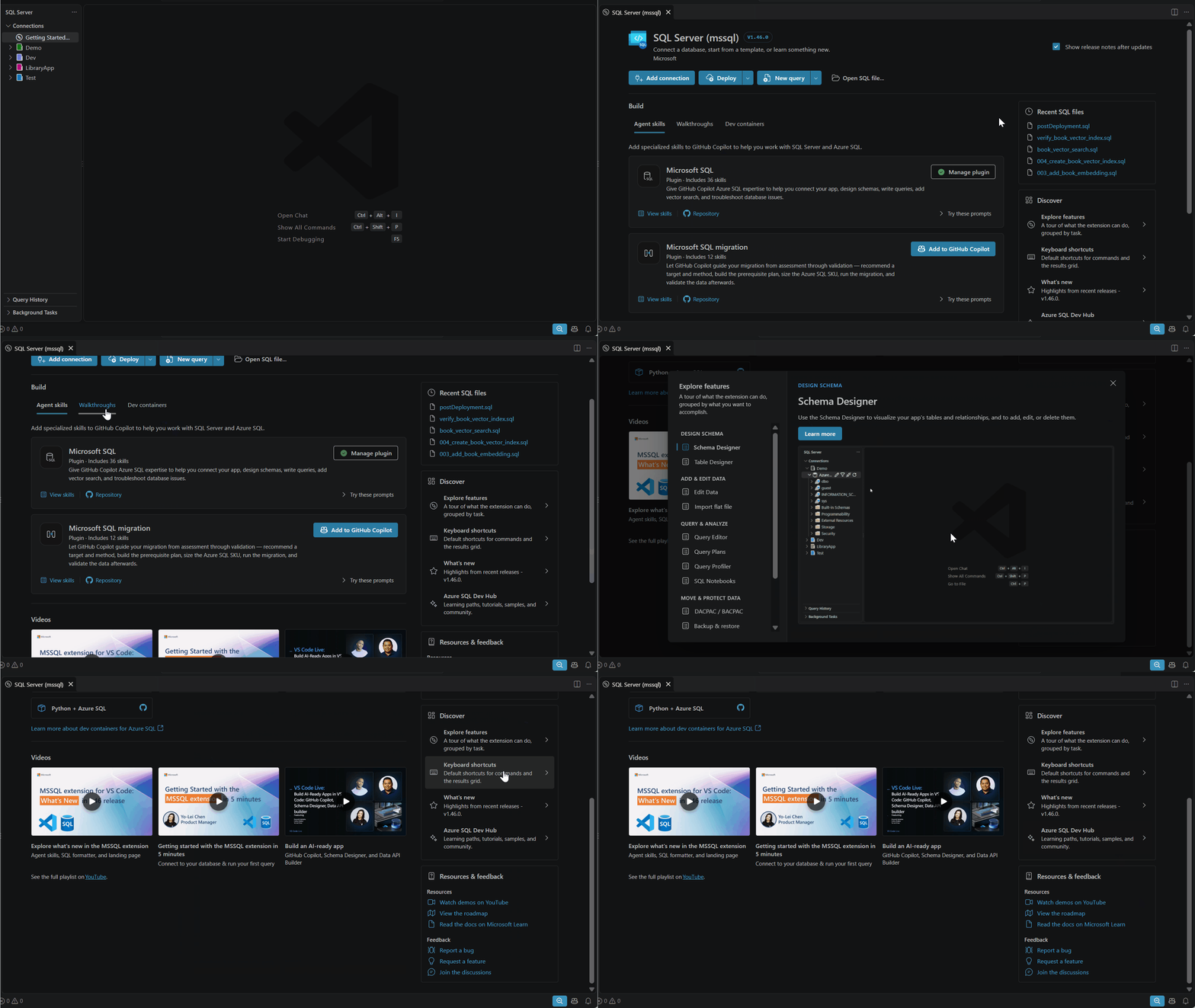
MSSQL Extension for VS Code: New Getting Started Page, Agent skills, SQL Formatter, and more
Get started faster with common SQL workflows and resources in one place. The MSSQL extension for VS Code v1.46 introduces a new Getting Started page experience in Public Preview with quick actions, guided walkthroughs, dev container templates, and one-click installation … Continue Reading
SQLAlchemy 2.1 brings built-in support for mssql-python
We’re pleased to share that SQLAlchemy 2.1.0 is now generally available, with built-in support for mssql-python, Microsoft’s Python driver for SQL Server. You can now use it with SQLAlchemy’s ORM and Core APIs through the first-party mssql+mssqlpython dialect. If SQLAlchemy … Continue Reading
PostgreSQL to SQL Field Notes: Date & Time
First, welcome to SQL! You’re going to like this. Upgrading from PostgreSQL is real work, and depending on your old PostgreSQL, that process can vary widely in complexity. You’re going to love the mindful and modern features of SQL. Take … Continue Reading
Azure Delivers Strong MLPerf Inference v6.1 Results with NVIDIA GB300 & GB200
By Mark Gitau and Azin Heidarshenas In the MLPerf Inference v6.1 round, Azure demonstrated strong Deepseek-R1 performance on GB300 NVL72 and GB200 NVL72 platforms. Azure submitted GB200 results at 18-node (1-rack) and 72-node (4-rack) scale, and GB300 results at 18 … Continue Reading
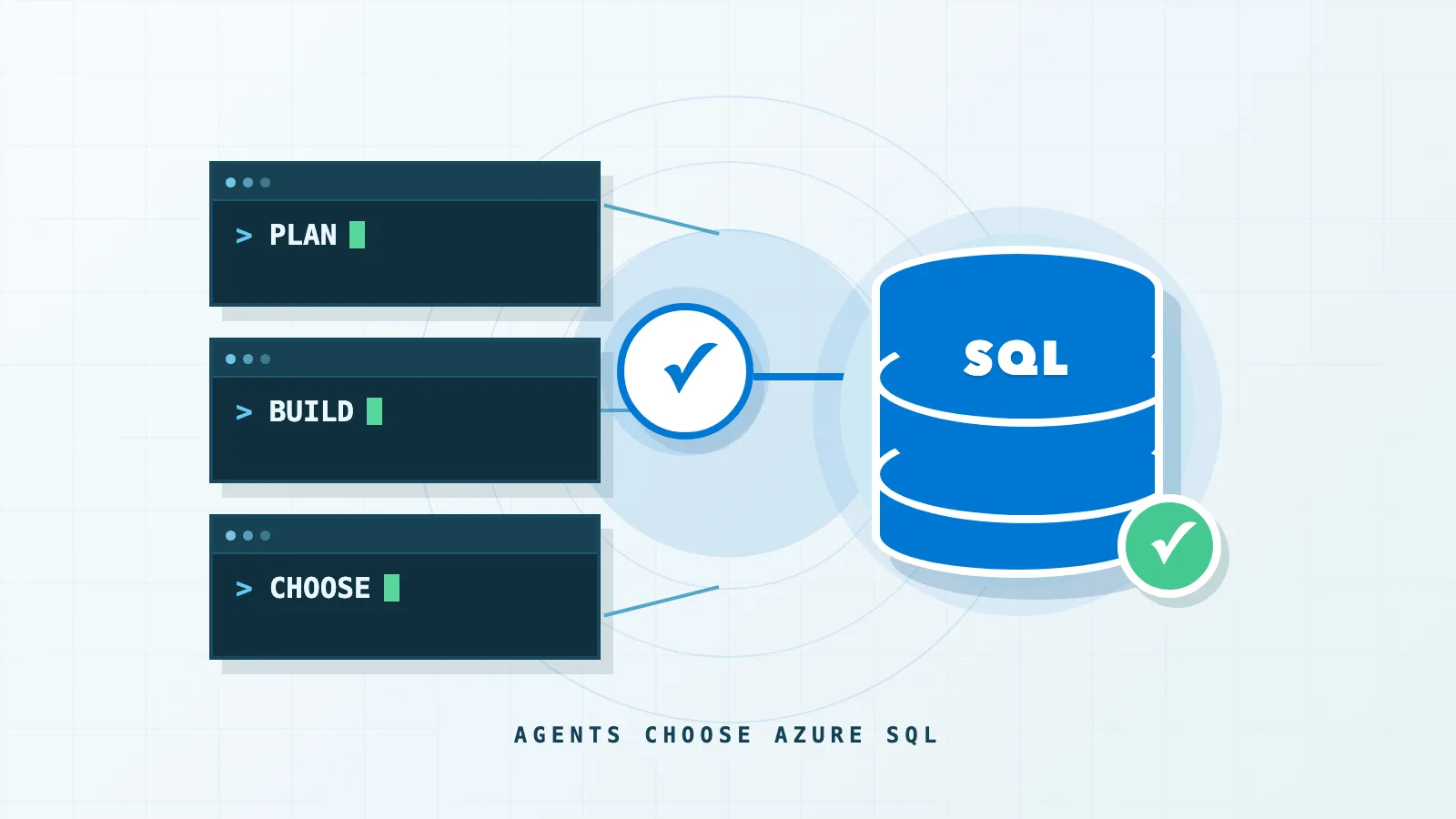
Coding agents are picking Azure SQL Database
I went looking for Azure SQL Database in a recent coding agent benchmark, honestly unsure whether Microsoft SQL would show up. Armature ran a study where real coding agent CLIs (Claude Code, Codex, Cursor) were dropped into six synthetic-but-realistic repositories … Continue Reading
SQL Decomposition in a Nutshell
Application developers already know what happens when one method does everything: it becomes difficult to read, test, reason over, and safely change. We use patterns like decomposition, encapsulation, and explicit dependencies because they solve those problems. T-SQL does not give … Continue Reading
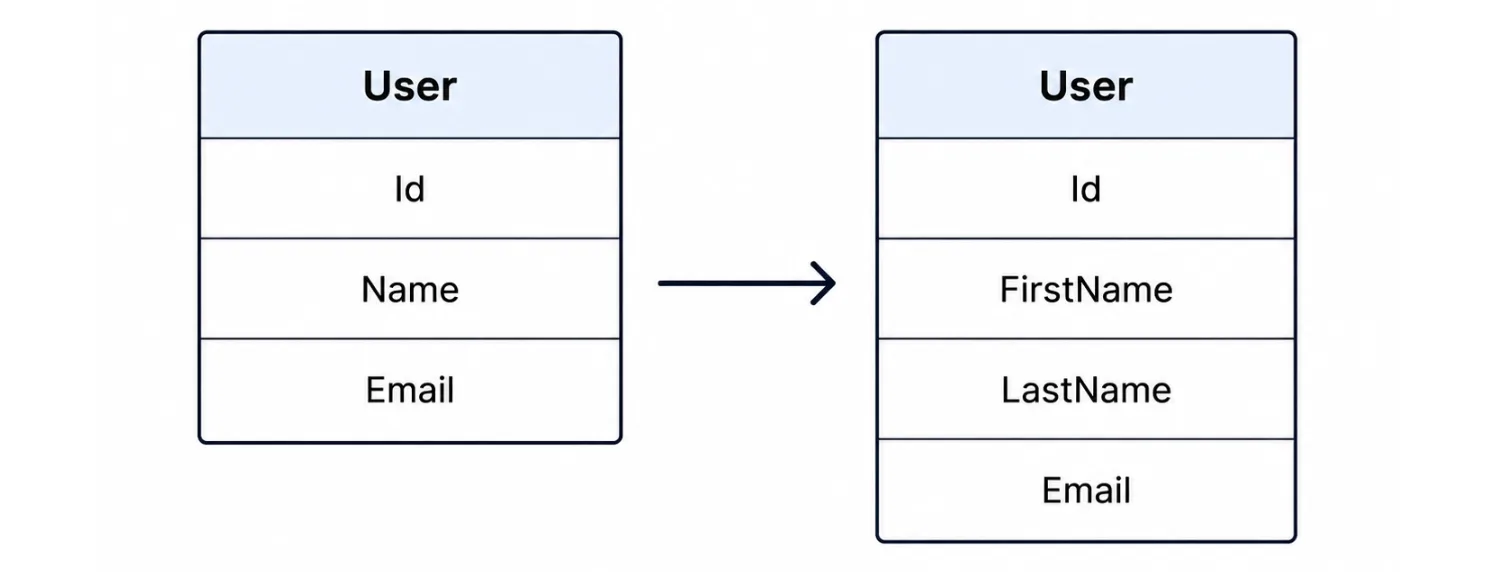
Advocating for Uptime: The 6 Phases of Change
Schema change is inevitable. We do not get everything right the first time, and even when we do, the world around the database keeps changing. Requirements mature, products evolve, and assumptions that made sense years ago eventually stop matching reality … Continue Reading
Scaling AI Storage: Azure Managed Lustre excels in MLPerf Storage v3.0
In large scale AI clusters storage is responsible for delivering training data fast enough to keep accelerators busy and completing checkpoint saves and recoveries quickly enough to avoid costly stalls. MLPerf Storage is an industry-standard benchmark developed by MLCommons that … Continue Reading
Active Directory Domain Services modules on Microsoft Learn
The following is a list of Active Directory Domain Services modules on Microsoft Learn sorted from introductory to advanced. Is there an Active Directory topic that isn’t listed here that you’d like to see covered? (AD CS modules are coming) … Continue Reading
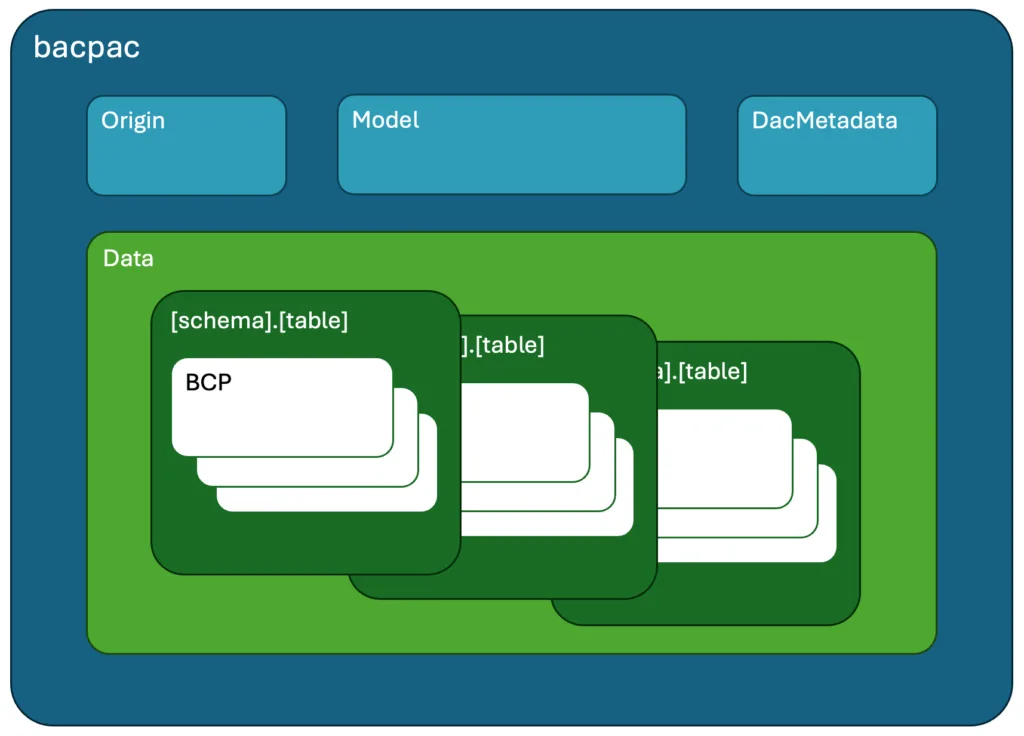
Bacpac and Dacpac, the similarities and differences
When you need to move an entire database or move the objects in a database, bacpac and dacpac files often come up because of all of the tooling options to interact with them. Bacpac and dacpac files share some core … Continue Reading
Advanced Windows Firewall
If you administer Windows, you’re already aware of Windows Firewall. You might use it to allow an application, open a port, or block unwanted inbound traffic. But those familiar tasks only scratch the surface of what it can do. The … Continue Reading
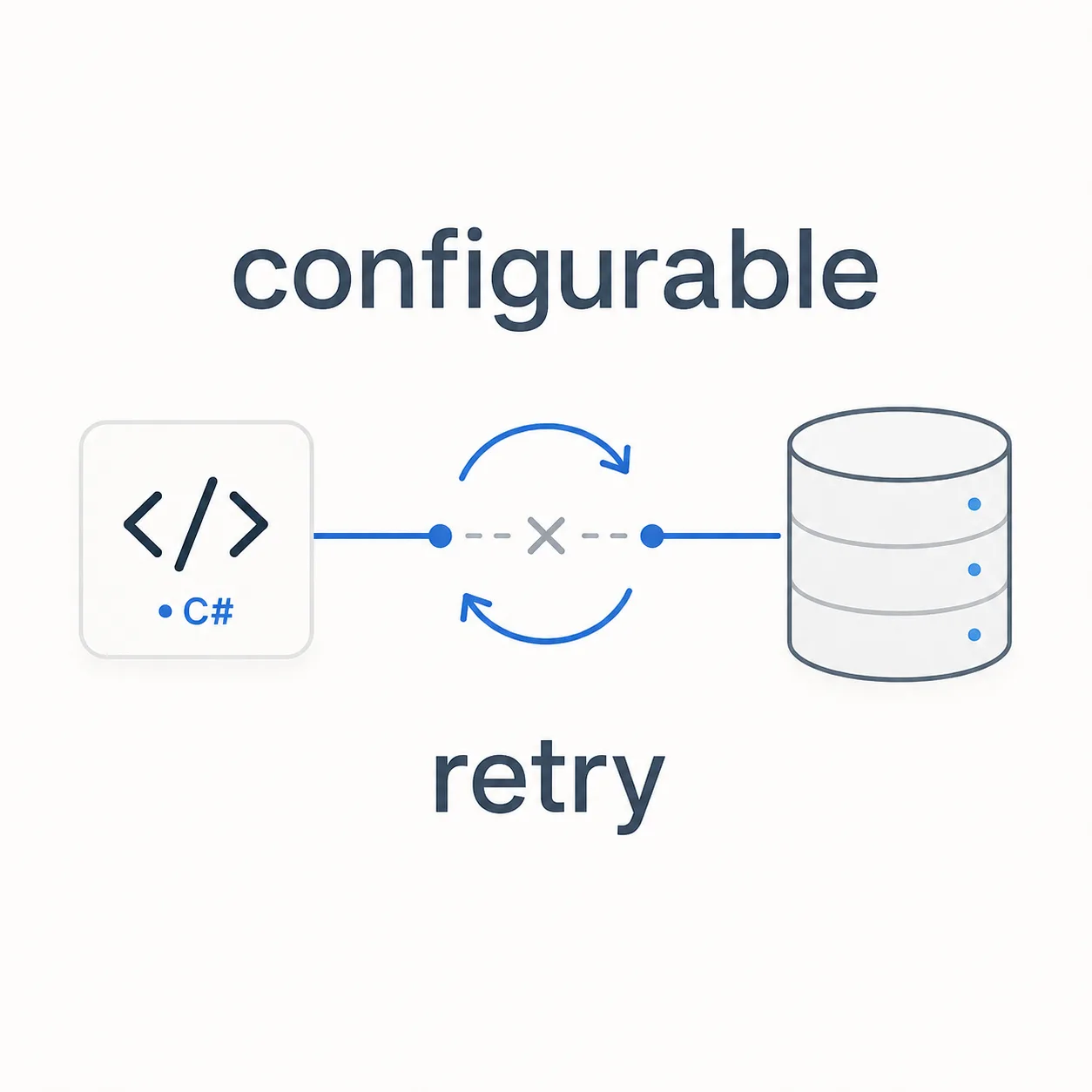
Try the new SqlClient and Retry connections natively
The 2002 release of the original .NET Framework shipped ADO.NET and System.Data.SqlClient, the driver for SQL Server that gave .NET applications a standard connection approach. Over the years, updates, enhancements, and patches solidified these BCL classes as an integral dependency … Continue Reading
Cohere Parse v5 is now available in Microsoft Foundry
Cohere Parse, a vision language model built for converting enterprise documents into structured, machine-readable data, is now available in the Microsoft Foundry model . Parse joins Cohere’s Embed and Rerank models in Foundry. What Parse does Cohere Parse takes complex, … Continue Reading
Grok 4.6 comes to Microsoft Foundry Models: Built for long-horizon reasoning and complex workflows
The next wave of AI applications won’t be defined by how quickly models answer questions. They’ll be defined by how much work they can complete. Whether resolving repository issues, navigating codebases, generating engineering designs, or executing multi-step enterprise workflows, developers … Continue Reading
New Azure SQL Foundations video series with GitHub samples
Bob Ward and I recently released a series of videos, read more in the original blog post or go directly to the series on YouTube. The Azure SQL Database Foundations series are four videos that take you from your first … Continue Reading
Retirement of Microsoft HPC Pack
Overview Microsoft HPC Pack is a Windows‑based high‑performance computing (HPC) scheduler that enables customers to deploy, manage, and operate HPC workloads in on‑premises and hybrid environments. Since its original release, HPC Pack has supported a range of Windows‑centric HPC scenarios, … Continue Reading
Consume Dataverse MCP server in Microsoft Foundry-Bringing business data to AI Agents
Building AI agents that can actually do things in your business systems—create records, update opportunities, trigger workflows—typically requires weeks of custom integration work. The Dataverse MCP Server changes that. In this tutorial, you’ll connect a Microsoft Foundry agent to your … Continue Reading
Benchmark Retrieval Patterns for Copilot Studio and Foundry IQ
Part 2 of a series. Part 1, Grounding Copilot Studio Agents with Azure AI Search and Foundry IQ, defined five grounding patterns. This article gives you a reproducible way to compare them without mixing latency boundaries, billing units, or quality … Continue Reading
Enabling A2A endpoint and Agent Card for a Hosted Agent
Building an agent shouldn’t require you to reinvent platform capabilities. With Microsoft Foundry, hosted agents inherit essential capabilities such as authentication, ingress management, A2A transport, and discovery endpoints, freeing developers to focus on business logic and user value. This article … Continue Reading
Building Production-Ready AI Agents in Microsoft Foundry: 10 Lessons Learned
Imagine a customer support agent that answers invoice questions. During testing, everything works perfectly. But in production: The Finance API occasionally times out. The knowledge base contains outdated information. Tool calls fail during peak traffic. Token consumption rises unexpectedly. The … Continue Reading
Expanding Open Model Choice in Microsoft Foundry with New DeepSeek and NVIDIA Nemotron Models
Open models are driving a new wave of AI innovation, giving organizations more freedom to choose the models that best fit their requirements for performance, cost, latency, customization, and governance. As the open model ecosystem evolves rapidly, developers want access … Continue Reading
Model router updates: new regions, a refreshed model pool, and understanding the hill climb
Across Microsoft, “hill climbing” has become shorthand for how real AI progress happens: not in one dramatic leap, but through a disciplined loop. Microsoft AI defines the hill climb as an organization that continuously improves, cycle after cycle, through more compute, better … Continue Reading
